Photography & narrative

Everyday light, composed with intention

Fluxara treats the frame as a sentence — rhythm, pause, and detail — for readers who photograph life as it unfolds, not only as it performs.

Essay

Why everyday photography matters

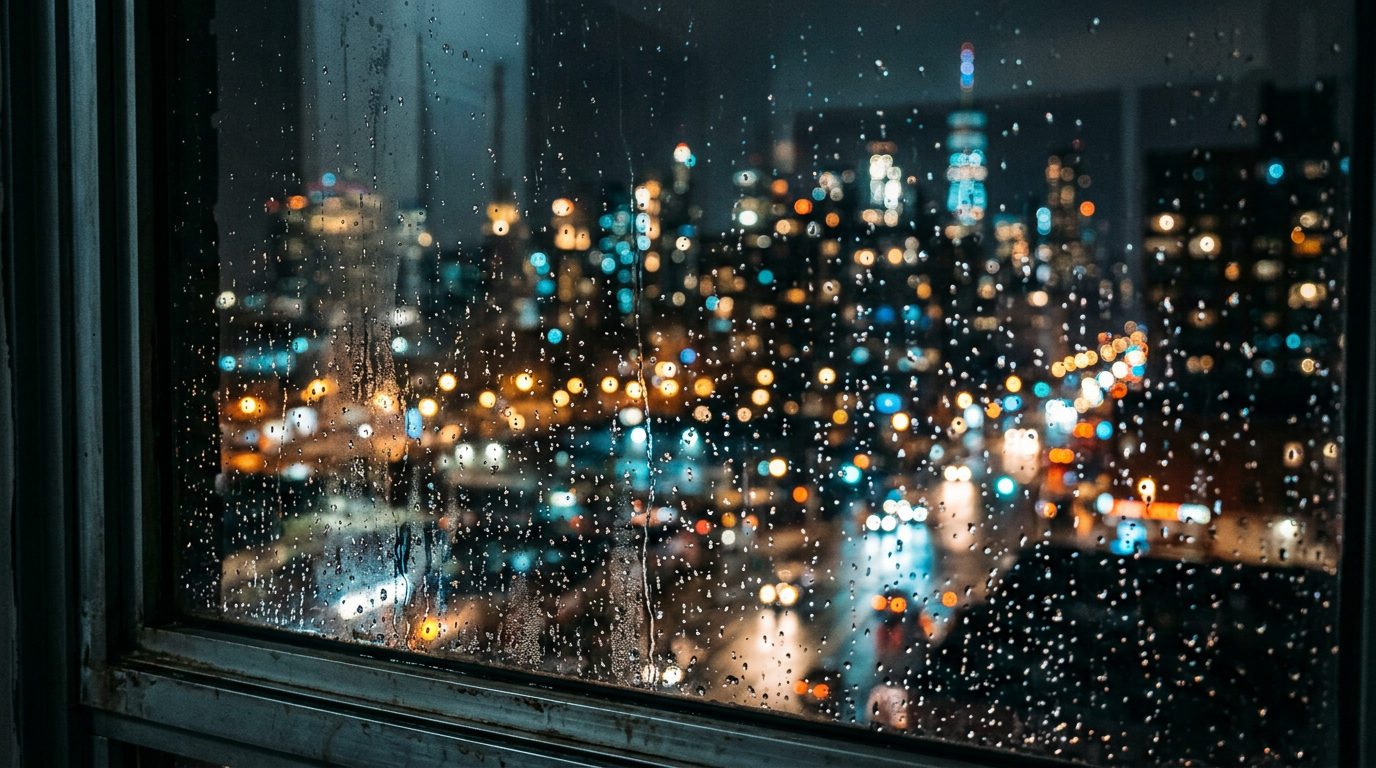
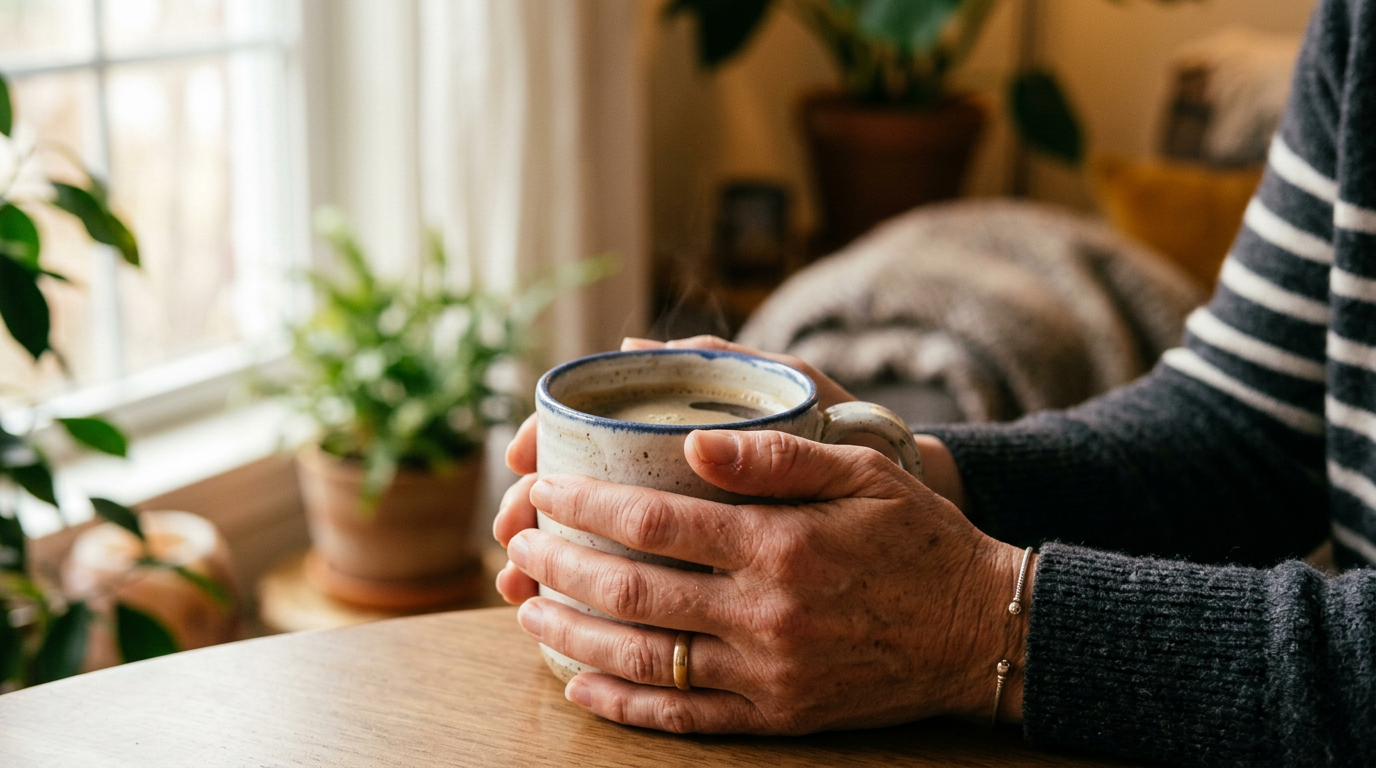
Most of what we love about photographs is not spectacle — it is recognition. The tilt of a chair by a window, rain stippling a bus shelter, the way someone holds a cup when they are thinking: these scenes do not ask to be heroic. They ask to be seen with care. Everyday photography is a practice of attention. It slows the eye until ordinary textures become legible: fabric, steam, dust in a sunbeam.

When you photograph the everyday, you are also refusing the idea that only rare events deserve a frame. You are building an archive of temperament — how light behaves in your kitchen at six, how your street sounds on Sunday. Over months, these images accrue a private coherence stronger than any single “wow” shot. They teach composition as a habit of empathy: you align geometry with the emotional temperature of a moment.

Fluxara exists to dignify that impulse. We publish visual stories that reward patient looking — work that understands shadows as vocabulary and edges as punctuation. If travel photography collects the exotic, everyday work collects the intimate truth that life is mostly local, mostly small, and still infinite in variation.

The decisive moment is not only action — it is the quiet agreement between subject, light, and frame.

Craft

Framing techniques that hold emotion

Layering and depth. Place something near the lens — a railing, a curtain edge — and let the scene breathe behind it. Layers translate the way attention moves: foreground whisper, middle voice, background resolve. Keep planes clean; let overlap be intentional, not accidental clutter.

Negative space as pause. A generous margin around a subject can feel like silence in music. Use empty sky, open pavement, or soft bokeh to let the eye rest. Negative space is not “nothing”; it is room for the viewer to enter the photograph emotionally.

Geometry and rhythm. Align diagonals to corners, repeat verticals (doorways, trees) to create cadence, or break rhythm with a single counter-line. Symmetry suggests formality; asymmetry suggests life leaning forward. Choose based on the story: calm balance versus restless motion.

Frames within frames. Windows, mirrors, arches, and branches can become secondary rectangles that focus narrative. They tell the viewer where to look first — and where to look second. The best nested frames feel discovered, not staged; they echo how we actually see the world through constraints.

Series

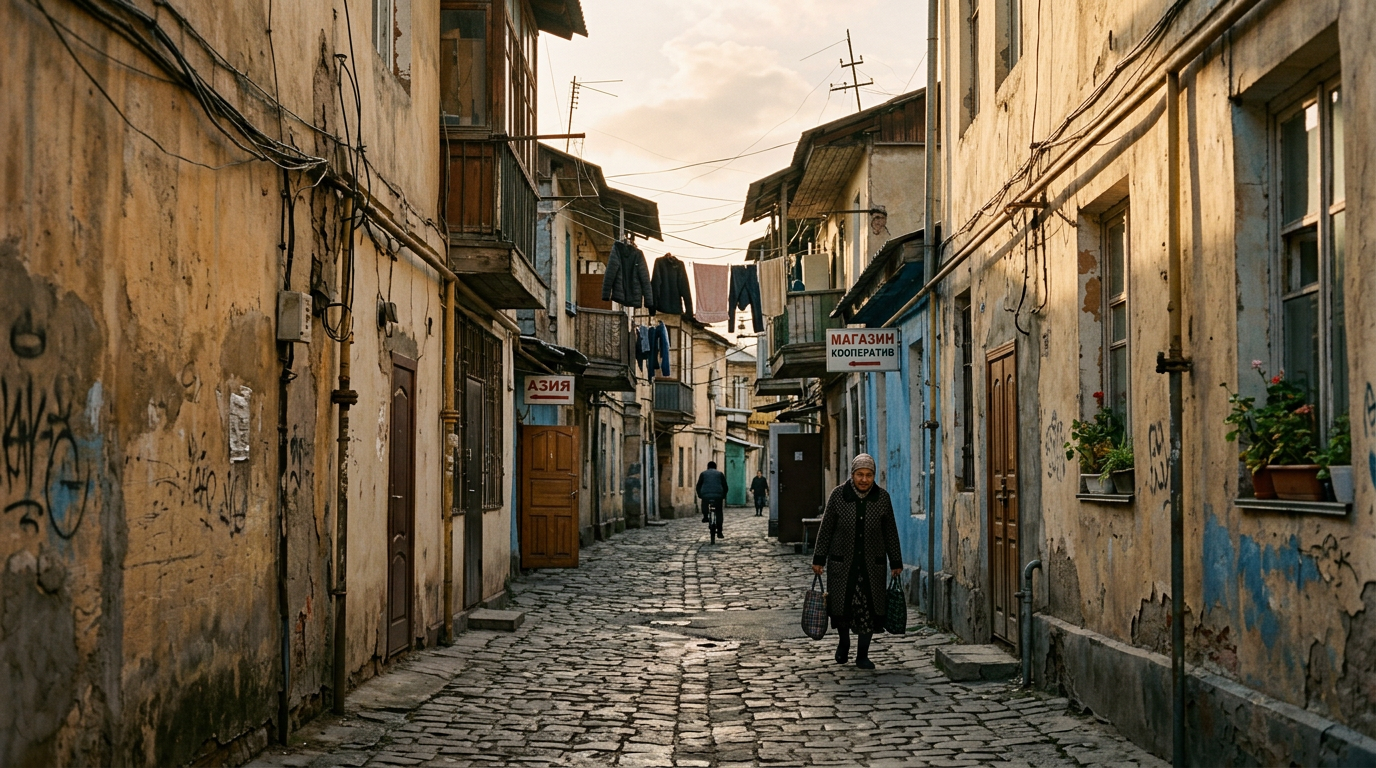
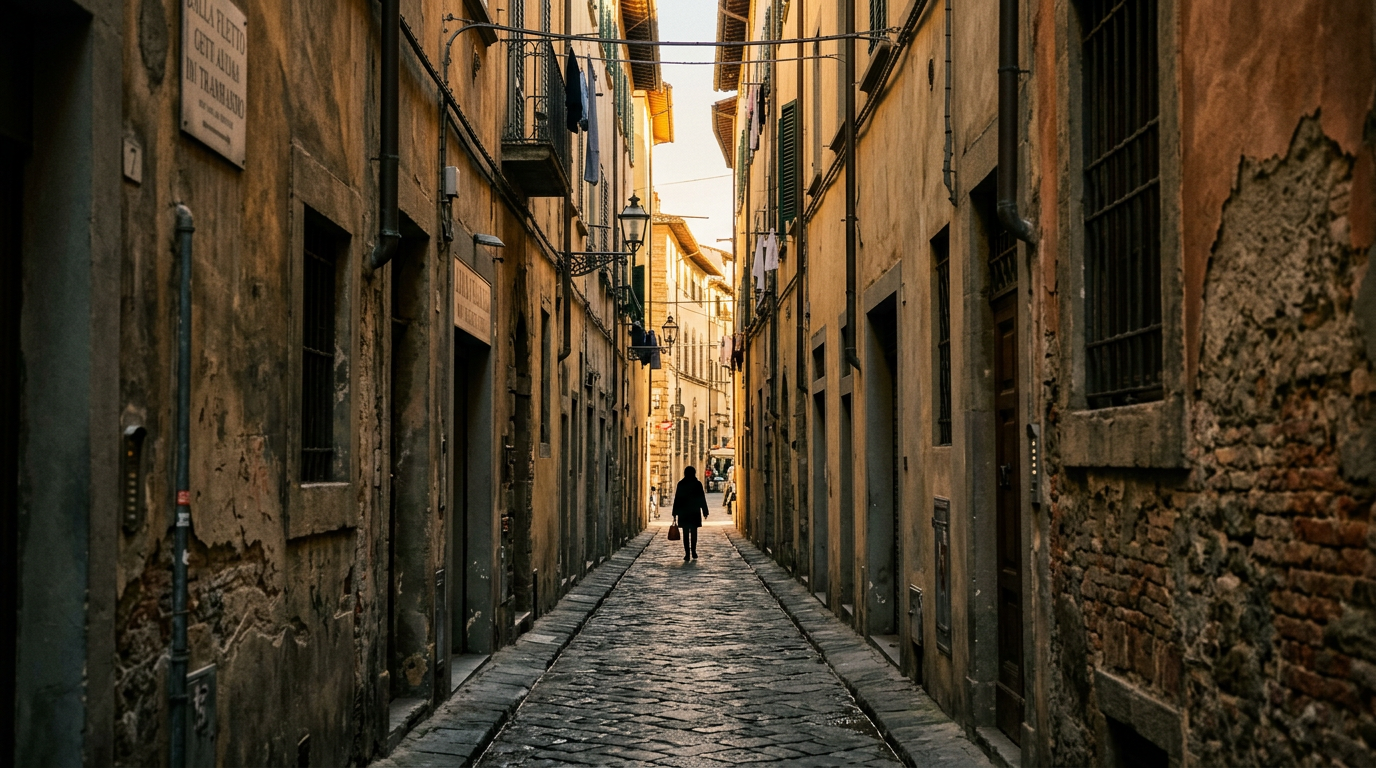
Narrow city alley with warm light on worn walls and a distant figure walking away
Almaty, late afternoon — geometry of alleys and slow footsteps.

The alley as a sentence fragment

A sequence about compression and release: tight walls, a ribbon of sky, and the rhythm of strangers passing through channels of light. The edit privileges distance and scale — how a city humbles the vertical frame.

Read the series
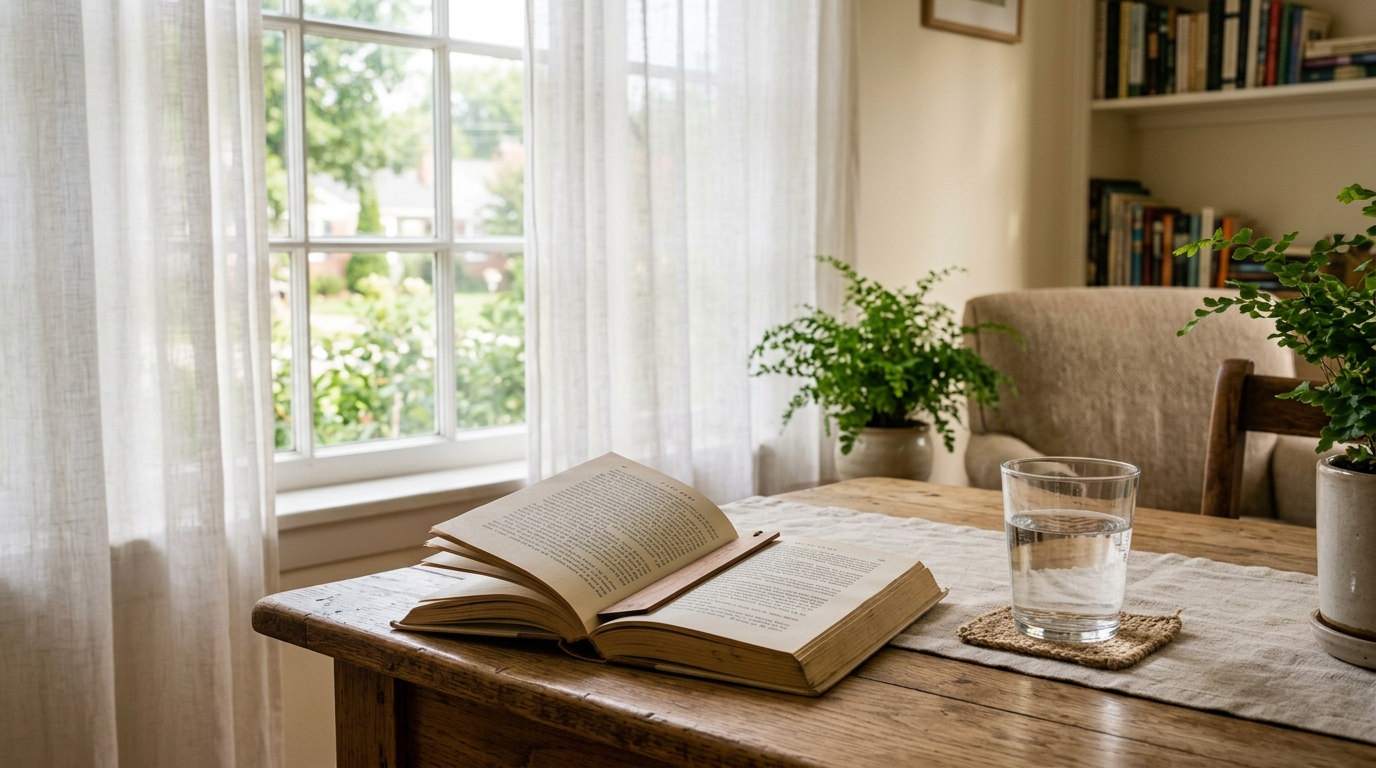
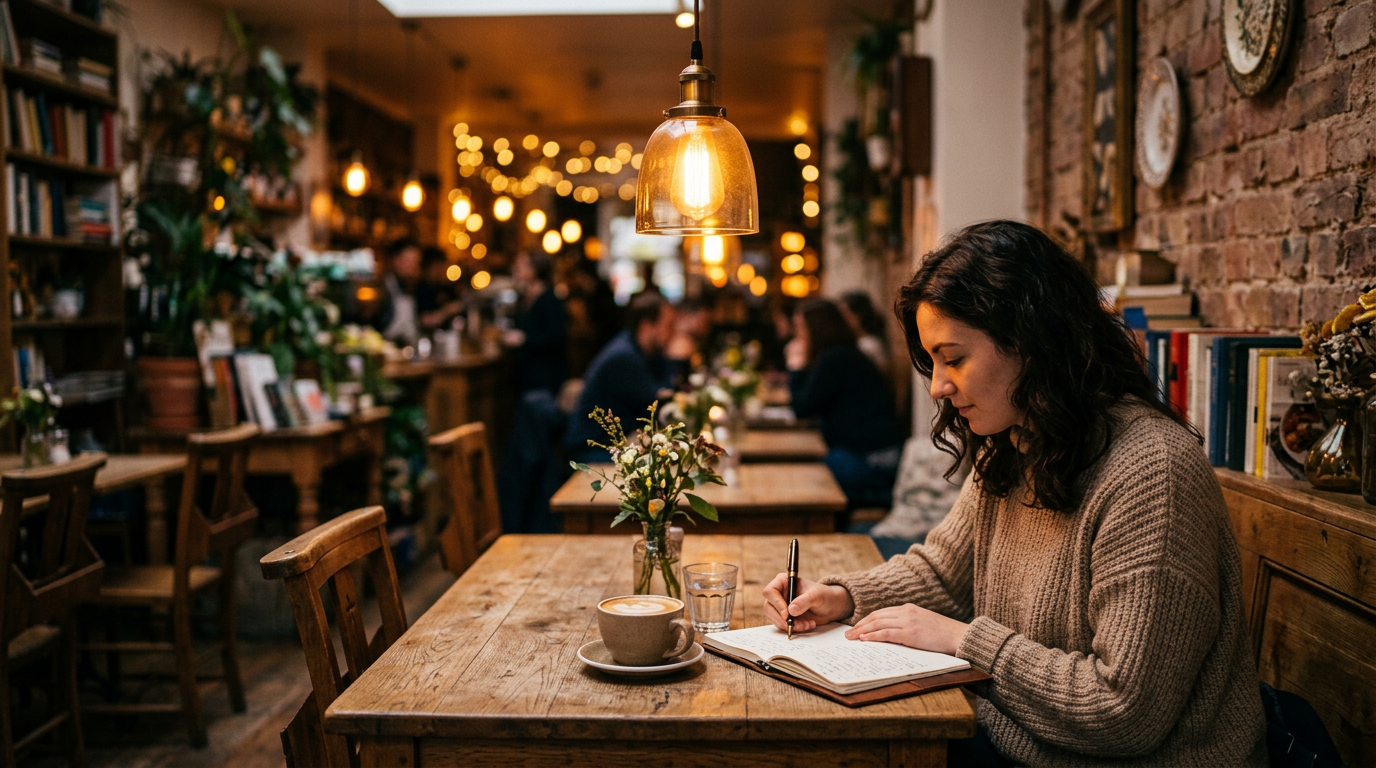
Soft daylight through a window onto a simple table with a glass and book
Interior study — window light as a second subject.

Rooms that breathe in gray

Interior chapters where exposure is a mood. Curtains diffuse contrast; wood absorbs highlights. The story follows how domestic quiet becomes visible only when shutter speed and patience align.

Explore light & shadow
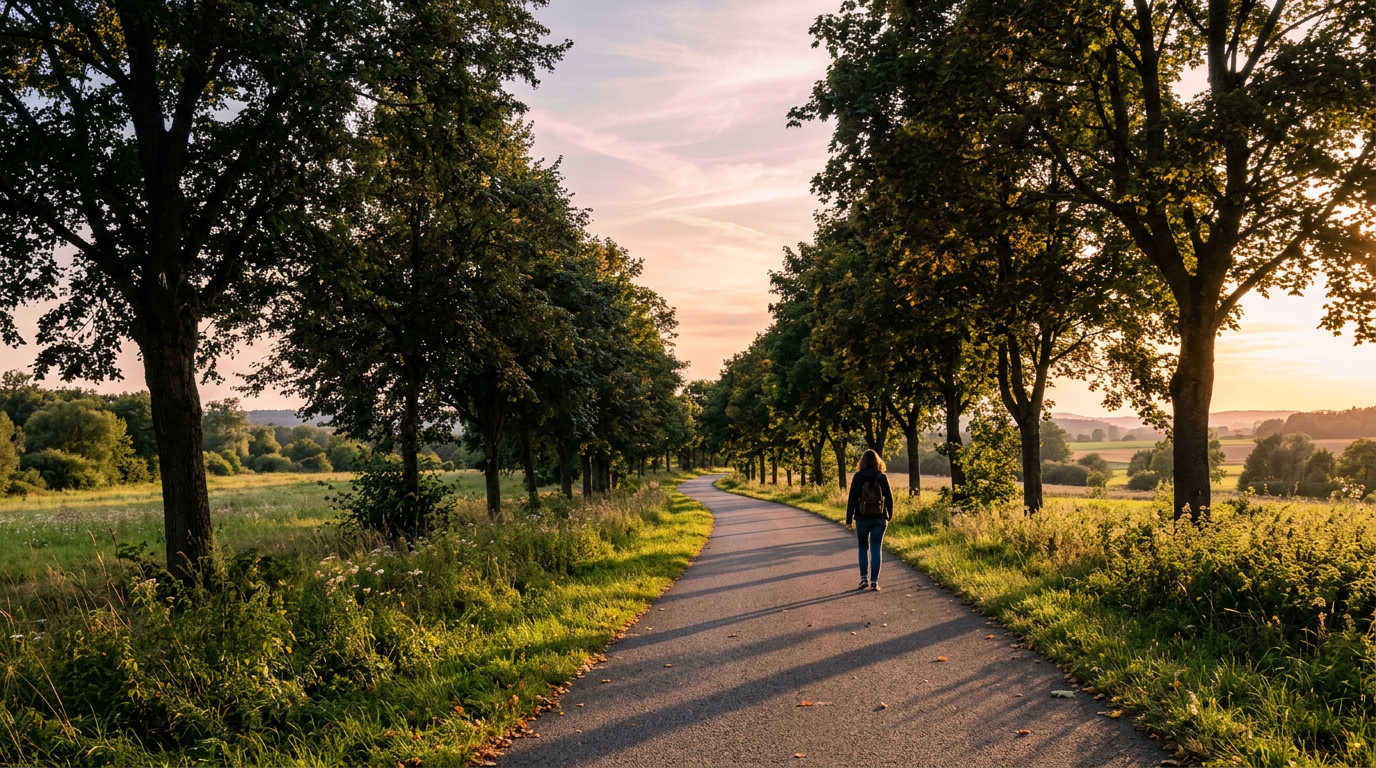
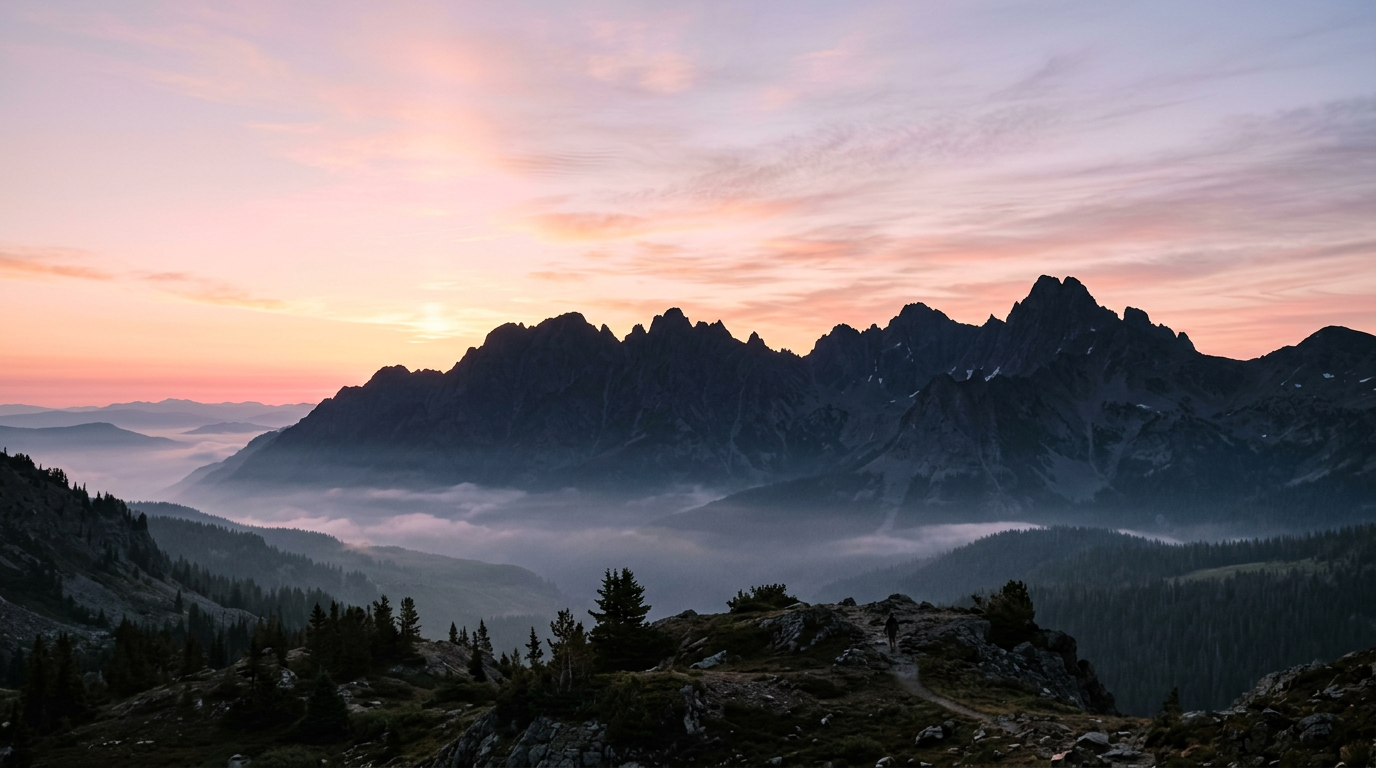
Outdoor scene at golden hour with long shadows across a path and trees
Golden hour walk — long shadows as narrative lines.

Paths, tree lines, and the hour before dusk

A linear edit along a river path: low sun carving texture from bark and asphalt, figures reduced to silhouettes when the story needs anonymity. The camera treats the horizon as a slow exhale.

View the gallery flow

Practice

Creative habits for photographers

  • Shoot the same corner weekly

    Revisit one window, doorway, or street curve every seven days. Light will teach you its moods; you will learn when to stand closer, when to wait, and when to leave the scene alone.

  • Edit in sequences, not singles

    Choose six images that belong together — contrast, rest, echo. Sequencing reveals your instinct for tempo; it also shows which frames are merely handsome rather than necessary.

  • Limit your focal length for a month

    Constraint forces empathy with distance. A single prime lens turns walking into choreography: you move instead of zooming, and your compositions become bodily decisions.

  • Write a one-line caption before you share

    Language tests intention. If you cannot describe why the frame exists, the edit may still be unresolved. Captions also guard against over-posting noise.

Flow

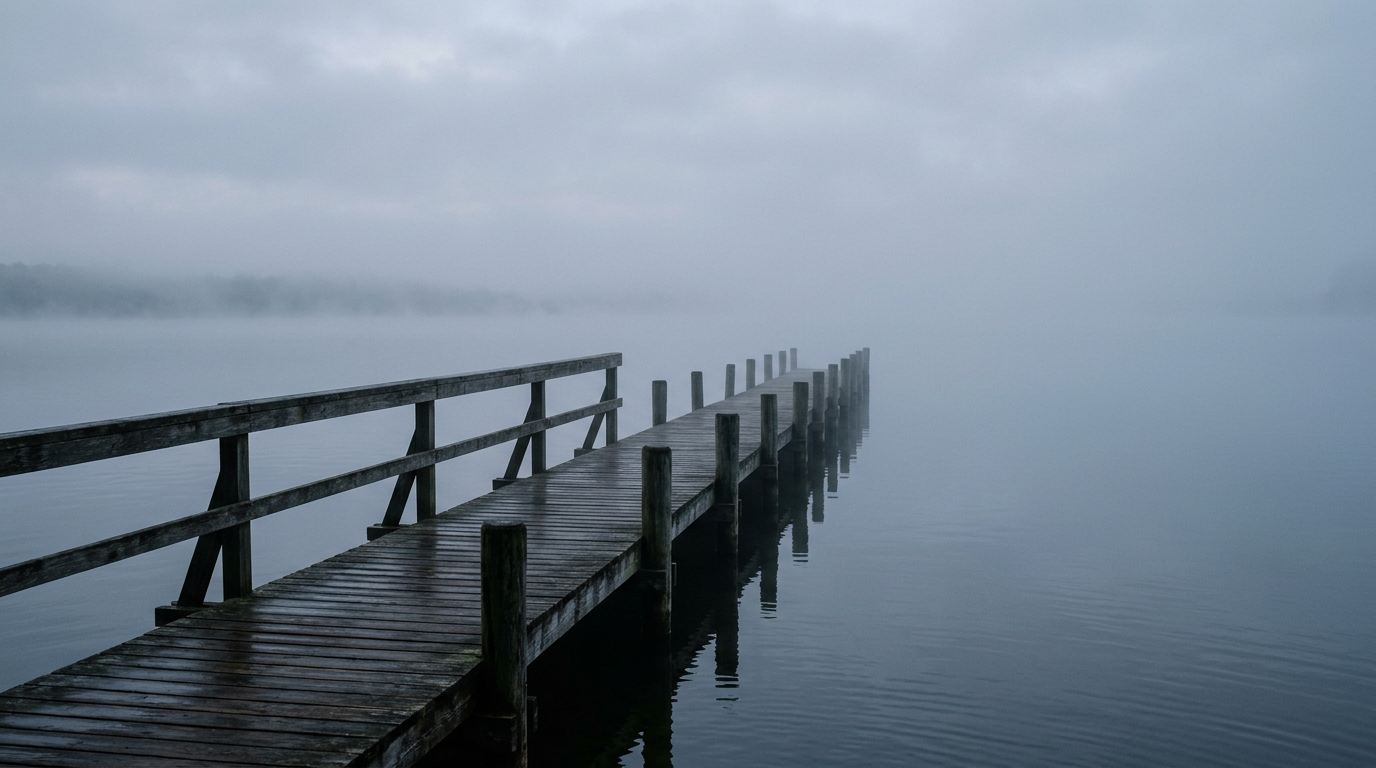
A horizontal walk through recent frames

Enter the full gallery